Delegating Expert General Contractors Now
Find out how a Commercial General Contractor Can Boost Efficiency and Success in Your Building Projects
A commercial builder plays an essential role in the construction industry. Their expertise makes managing projects easier, leading to greater efficiency and successful outcomes. By facilitating dialogue among involved parties and leveraging relationships with subcontractors, they assist in navigating the complexities of construction projects. Familiarity with local regulations also reduces potential legal problems. This raises an important question: how do these factors interact to improve the building process?
The Role of a GC
A GC directs the complicated workflow of construction work, making sure all parts runs smoothly from inception to completion. They act as the primary contact, coordinating between various stakeholders, including owners, subcontractors, and suppliers. This role involves detailed planning, scheduling, and budgeting to adhere to project schedules and financial constraints.
The contractor manages all site operations, ensuring compliance with building codes, safety regulations, and quality requirements. They are tasked with securing necessary permits and addressing any legal requirements associated with the project. Moreover, they manage the workforce, giving jobs to qualified workers while watching output and productivity.
In addition to managing day-to-day work, the contractor handles any delays or delays that arise, modifying plans as necessary to keep the project on track. This extensive oversight is crucial for reducing risks and ensuring the successful delivery of building endeavors.
Benefits of Using a General Contractor
Hiring a general contractor yields several benefits that can greatly enhance the efficiency and success of a building endeavor. One major advantage is their expertise in managing complex projects, allowing for streamlined communication among various parties involved. This unified approach minimizes misunderstandings and helps avoid setbacks.
Additionally, general contractors possess established relationships with subcontractors and suppliers, securing quick access to high-grade supplies and expert tradespeople. This approach can result in cost savings and better project schedules.
General contractors also offer a wealth of knowledge regarding local building codes and regulations, which prevents regulatory problems and hefty fines.
Moreover, employing a contractor allows project owners to focus on their central operations, instead of dealing with day-to-day construction administration. Overall, having a contractor involved leads to a more systematic, effective, and successful construction endeavor, ultimately leading to a higher return on investment.
Core Duties in Construction Oversight
Good project oversight relies on several key responsibilities that a general contractor needs to maintain throughout the construction process. A primary aspect of this job involves creating a precise project outline, which details the aims, schedules, and budgetary constraints. The GC works closely with multiple groups, like architects, subs, and vendors, making sure communication is fluid and collaboration.
In addition, they oversee resource allocation, overseeing workers and materials to maximize effectiveness. Analyzing potential problems is a further crucial task, as the contractor has to spot potential problems and develop plans to lessen their impact. Regular progress monitoring is essential; the contractor evaluates work completed compared to project goals, making necessary changes to maintain the timeline.
In addition, a general contractor makes certain they follow building laws and safety guidelines, promoting a secure job site. Through these responsibilities, they ensure a comprehensive method in project oversight, driving overall success for construction efforts.
Methods GCs Use for Timely Project Delivery
Even though timeline issues often arise in building, general contractors utilize strategic methods and active administration to guarantee timely project completion. They start by creating thorough schedules that detail every stage of the project, covering major goals and completion dates. By dividing the project into smaller tasks, they are able to assign resources efficiently and foresee possible setbacks.
Regular progress monitoring is also a vital element; general contractors assess project status compared to the set schedule, permitting changes when needed. They also engage in risk management, spotting possible problems soon and developing alternative plans to mitigate disruptions.
In addition, general contractors keep solid connections with subcontractors and suppliers, guaranteeing labor and materials are accessible when needed. This forward-thinking method encourages responsibility among all stakeholders, resulting in a smoother operation. In the end, these methods culminate in greater effectiveness, decreasing the possibility of overruns and ensuring that projects are concluded within the timeline.
Boosting Dialogue and Cooperation on Location

To enhance communication and teamwork at job sites, contractors put into place structured processes that facilitate information flow for everyone involved. Such procedures typically involve scheduled gatherings, clear channels for reporting issues, and the application of technology that enable immediate see guide status reports. By creating a structure for discussion, contractors guarantee that all stakeholders—architects, subcontractors, and workers—are aligned on project goals and timelines.
Moreover, fostering a culture of transparency helps to address concerns promptly, decreasing the possibility of misunderstandings that can lead to delays. GPs also welcome input from employees at every level, knowing that perspectives from on-site personnel can greatly enhance project effectiveness. By prioritizing communication and collaboration, general contractors not only streamline operations but also enhance team morale, ultimately contributing to the success of construction endeavors. The result is a better integrated workplace where challenges are met with collective problem-solving.
FAQs
What Qualifications Should I Look for in a GC?
When looking for a GC, one should look for attributes such as licensing, insurance, a history in similar jobs, excellent recommendations, and good communication abilities. These factors contribute greatly to smooth project delivery and total customer contentment.
In What Way Do GCs Manage Project Budgeting?
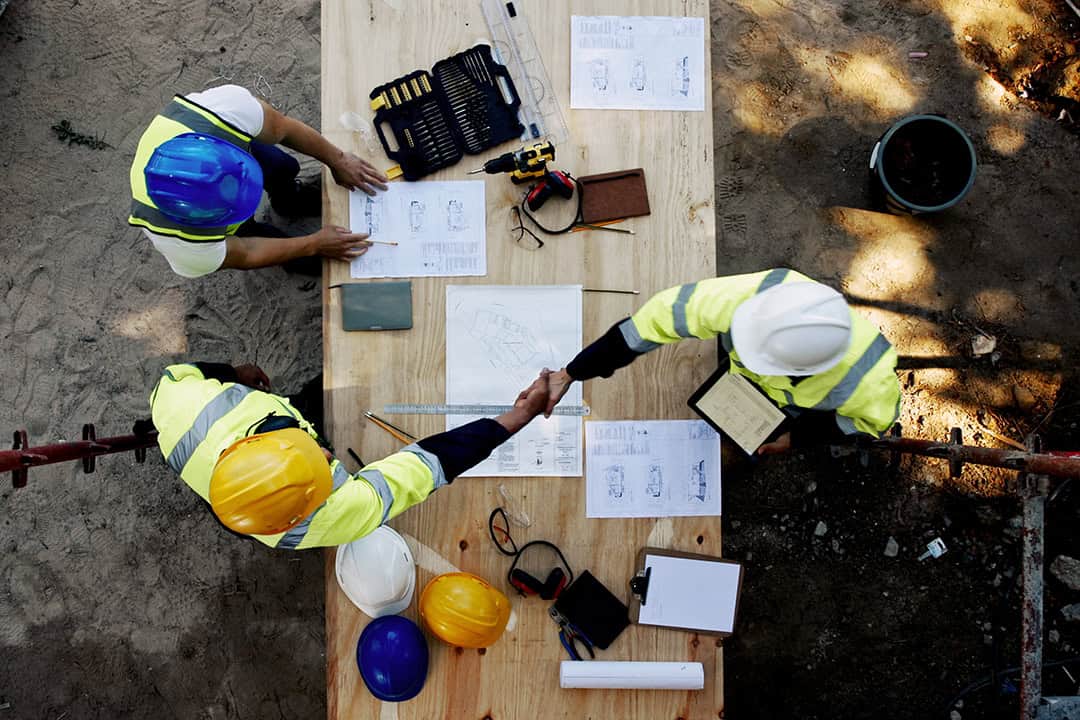
General contractors manage project budgeting by calculating expenses, securing bids from subcontractors, tracking expenses throughout the project, and making budget changes as required. Hickory top rated Commercial General Contractor. They make certain that money match the job's needs, boosting productivity and lessening fiscal dangers
Is a GC Able to Help With Permits and Regulations?
Absolutely, a GC is able to help with permits and regulations by guiding through the complex requirements, ensuring compliance with local laws, and facilitating the application process, which speeds up the job's progress and lessening the chance of client postponements.
What Is the Typical Timeline for Hiring a General Contractor?
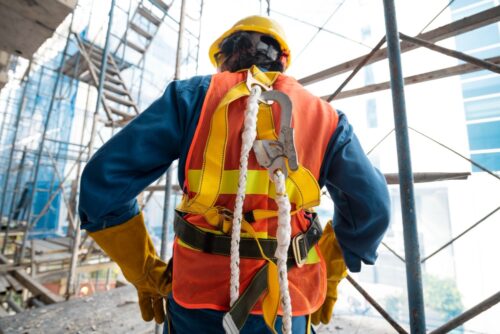
The usual duration for hiring a general contractor can take anywhere from a few weeks to several months, depending on project complexity, how available the contractor is, and the client's decision process, which ensures proper planning and that goals are aligned with construction. - Hickory top rated Commercial General Contractor
- Hickory top rated Commercial General Contractor
In What Ways Do General Contractors Effectively Handle Subcontractors?
General contractors manage subcontractors effectively by establishing clear communication, setting defined expectations, keeping a close eye on progress, and aligning timelines. They guarantee that all parties understand their roles, thereby fostering collaboration to keep the project on schedule and quality standards.